

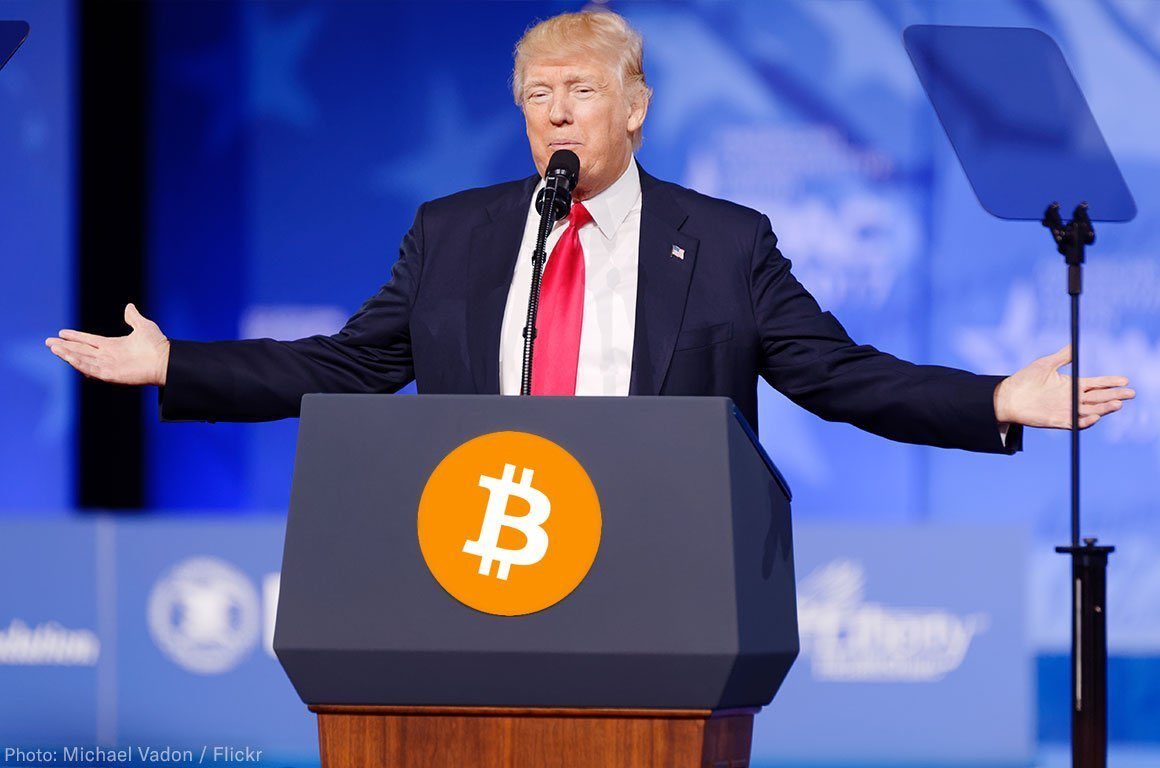
President Donald Trump signed a groundbreaking executive order on August 7, 2025, allowing cryptocurrencies, private equity, and real estate investments in 401k retirement plans for the first time. This Market Insights analysis examines how this historic decision opens access to approximately $12.5 trillion in retirement assets, potentially revolutionizing American retirement investing and accelerating cryptocurrency mainstream adoption. The order directs the Department of Labor to reexamine fiduciary guidance regarding alternative asset investments in ERISA-governed retirement plans, marking Trump’s most significant pro-crypto policy since taking office.
Summary: Trump’s executive order allows alternative assets including cryptocurrencies, private equity, and real estate into 401k plans, giving 90 million Americans new investment options while directing federal agencies to revise regulations within six months to facilitate implementation.

What Trump’s 401k Crypto Order Actually Does
Regulatory Framework Changes
The executive order directs the Secretary of Labor to reexamine guidance on fiduciary duties regarding alternative asset investments and consult with the Treasury Secretary and SEC to determine necessary regulatory changes. This represents a complete reversal from the Biden administration’s 2022 guidance that warned plan fiduciaries to exercise “extreme care” when considering cryptocurrency options, as detailed in the official White House fact sheet.
The order specifically targets the Employee Retirement Income Security Act (ERISA) requirements that have historically prevented most retirement plans from offering alternative investments. Federal law sets minimum standards for most retirement plans, and the executive order marks a major victory for the alternative asset industry seeking broader market access.
Immediate Market Impact
Bitcoin responded positively to the announcement, climbing around 1% to reclaim the $116,000 level for the first time since July 31, while Ether rose almost 4%. Crypto-linked stocks including Coinbase and Galaxy Digital also gained on the news, reflecting investor enthusiasm about potential institutional adoption, according to CoinDesk’s market analysis.
The timing aligns with Trump’s broader cryptocurrency agenda. This executive order is the latest in a series of efforts under the Trump administration to make the U.S. the “crypto capital of the world,” following the July signing of stablecoin legislation.
Market Size and Investment Opportunities
Massive Retirement Asset Base
Americans collectively hold roughly $8.7 trillion in 401k assets according to data from the end of the first quarter of 2025 from the Investment Company Institute. When combined with other defined-contribution plans, the total market reaches approximately $12.5 trillion in assets that could potentially access cryptocurrency investments.
Currently, more than 90 million Americans participate in employer-sponsored defined-contribution plans, and most are currently restricted from investing in alternative assets, unlike wealthy investors and retirement plans for government workers. This democratization effort aims to level the playing field.
Industry Preparation Already Underway
Major asset managers have been positioning for this regulatory shift. BlackRock announced it’s launching a 401k target-date fund in the first half of 2026 that will include a 5% to 20% allocation to private investments, while Empower said it’s joining asset managers such as Apollo to start allowing private assets in some accounts later this year.
The cryptocurrency ETF market has exploded in preparation for broader institutional adoption. Crypto ETFs have seen record inflows this year at roughly $13 billion, making them one of the most popular portfolio choices within the ETF universe, led by flagship bitcoin ETFs such as BlackRock’s iShares Bitcoin Trust.
How 401k Crypto Investment Will Work
Implementation Methods
Retirement plan participants will likely access cryptocurrency through two primary channels:
- Core Investment Options: Plan sponsors may add cryptocurrency funds directly to their investment menus alongside traditional stock and bond funds
- Self-Directed Brokerage Windows: Most crypto access currently occurs through self-directed brokerage windows, with none of the surveyed recordkeepers offering crypto asset investment options on their core investment lineups
Fiduciary Responsibilities
ERISA requires fiduciaries to be prudent in selecting and monitoring their 401k plans’ core investment options, including any crypto asset investment options. However, oversight differs between core options and brokerage window investments, where participants assume greater responsibility for investment selection.
The regulatory clarity provided by Trump’s order should reduce fiduciary concerns that previously deterred plan sponsors from offering cryptocurrency options. Regulatory overreach and litigation risks have limited ERISA-governed plan fiduciaries from including alternative assets in their investment portfolios.
| Investment Access Method | Fiduciary Oversight | Participant Responsibility | Risk Level |
|---|---|---|---|
| Core Plan Options | High | Low | Moderate |
| Brokerage Windows | Limited | High | High |
| Crypto ETFs | Variable | Moderate | Moderate-High |
Investment Risks and Expert Warnings
Volatility Concerns
GAO’s analysis of investment returns indicates crypto assets have uniquely high volatility, and GAO’s simulation found a high allocation (20 percent) to bitcoin can lead to higher volatility than smaller allocations (1 and 5 percent). This extreme price fluctuation poses significant risks for retirement savers who need stable long-term growth.
Research shows cryptocurrency volatility far exceeds traditional assets. Based on an analysis of five crypto assets available for investment in 401k plans from 2021 to 2023, the assets’ volatility ranged from four times to 12 times greater than the volatility of the Standard and Poor’s 500.
Expert Skepticism
Financial advisors remain divided on cryptocurrency’s role in retirement planning. “Crypto does not belong in a 401k. It is highly speculative and volatile, with no established store of value,” says Evan Luongo, owner and founder of NoDa Wealth in Charlotte, North Carolina.
Critics argue that cryptocurrency lacks the fundamental backing of traditional investments. One of the primary risks is “they mainly derive their value from investor sentiment rather than through tangible company assets or cash flows”, making valuation extremely difficult.
Recommended Allocation Limits
For investors choosing to include cryptocurrency, experts recommend extreme caution. In one BlackRock white paper, the authors suggest investors interested in the sector consider a modest allocation of 1 to 2 percent of investable assets. This conservative approach limits portfolio damage if cryptocurrency values collapse.

Benefits and Strategic Advantages
Diversification Potential
Supporters argue cryptocurrency provides portfolio diversification benefits unavailable through traditional assets. Cryptocurrency “could be an alternative store of value if there are declines in stocks and bonds, much like how people have used gold in their portfolios in the past”, according to financial advisors who support crypto inclusion.
The asset class offers exposure to technological innovation and digital transformation trends that may drive future economic growth. Alternative assets, such as private equity, real estate, and digital assets, offer competitive returns and diversification benefits.
Long-Term Growth Potential
Bitcoin and ethereum have generated strong returns, with IBIT and ETHV generating roughly 20% and 11% in returns year-to-date, respectively. These returns significantly exceed most traditional retirement investments, though they come with corresponding risk increases.
Age-Based Investment Considerations
If they are in their 30s and 40s and are seeking a speculative, high-risk investment, crypto can give them that. For investors in their 50s who need their money to last the rest of their lives, advisors recommend against investing a lot of money in crypto.
Current Market Status and Data
Limited Current Adoption
Despite growing interest, GAO reported that crypto investment is a miniscule fraction of total DC plan investing, “less than 1 percent of the 401k market, whether measured by plans, participants, or assets”. This low adoption reflects regulatory barriers that Trump’s order aims to eliminate.
Available industry data and stakeholder interviews suggest crypto assets are a small part of the 401k market, providing significant room for growth if regulatory barriers decrease and investor confidence increases.
Data Collection Challenges
DOL does not have comprehensive data to identify 401k plans that give participants access to crypto assets. The forms 401k plan fiduciaries file to meet federal reporting requirements do not identify crypto asset investment options in plans with fewer than 100 participants.
This data gap makes it difficult to assess the true scope of current cryptocurrency adoption in retirement plans and monitor potential risks to participant savings.
Implementation Timeline and Next Steps
Six-Month Review Period
The order directs the Labor Department to reevaluate guidance around alternative asset investments in retirement plans subject to the Employee Retirement Income Security Act of 1974 within six months. This timeline suggests meaningful changes could occur by early 2026.
Industry Preparation
Asset managers and retirement plan providers are already positioning for expanded cryptocurrency access. The regulatory clarity provided by Trump’s order should accelerate product development and plan sponsor adoption decisions.
SEC Coordination
The Order directs the Securities and Exchange Commission to facilitate access to alternative assets for participant-directed defined-contribution retirement savings plans by revising applicable regulations and guidance, ensuring coordinated regulatory approach across agencies.
FAQ: Trump’s 401k Crypto Executive Order
What does Trump’s 401k executive order actually allow? The order directs federal agencies to revise regulations allowing cryptocurrencies, private equity, and real estate investments in 401k retirement plans, opening access to $12.5 trillion in retirement assets.
When will crypto be available in 401k plans? Federal agencies have six months to review and revise regulations, suggesting implementation could begin in early 2026, though some plans may offer access sooner through existing mechanisms.
How much crypto should I put in my 401k? Financial experts recommend limiting cryptocurrency to 1-2% of total portfolio allocation due to extreme volatility and speculative nature, with higher allocations appropriate only for younger investors.
What are the main risks of 401k crypto investing? Key risks include extreme volatility (4-12 times greater than S&P 500), lack of fundamental value backing, regulatory uncertainty, and potential for total loss of investment.
Will all 401k plans offer cryptocurrency? No, plan sponsors will decide individually whether to offer cryptocurrency options based on their fiduciary assessment of participant needs and risk tolerance.
How does this compare to current crypto access? Currently, less than 1% of 401k assets are in cryptocurrency, primarily through self-directed brokerage windows. Trump’s order could expand access through core plan options.
What types of crypto investments will be available? Likely options include Bitcoin and Ethereum ETFs, diversified cryptocurrency funds, and possibly direct cryptocurrency holdings, depending on plan sponsor decisions.
Are there age restrictions for 401k crypto investing? No formal age restrictions exist, but financial advisors strongly recommend against significant crypto allocations for investors approaching retirement due to volatility risks.
Key Takeaways
• Trump’s executive order opens the $12.5 trillion 401k market to cryptocurrency investments for the first time, potentially accelerating mainstream crypto adoption among 90 million American workers • Federal agencies have six months to revise regulations, with implementation likely beginning in early 2026 as plan sponsors assess fiduciary responsibilities and participant demand
• Financial experts recommend limiting crypto exposure to 1-2% of retirement portfolios due to extreme volatility that ranges 4-12 times higher than traditional stock investments • The regulatory clarity should reduce fiduciary concerns that previously prevented most retirement plans from offering cryptocurrency options, though plan sponsors retain discretional authority over investment menus
Trump’s 401k cryptocurrency executive order represents a watershed moment for digital asset adoption, providing regulatory framework for the largest retirement savings market to access alternative investments. While the potential for portfolio diversification and enhanced returns exists, the extreme volatility and speculative nature of cryptocurrencies demand careful consideration from both plan sponsors and individual investors as this new investment landscape develops.

Owen